
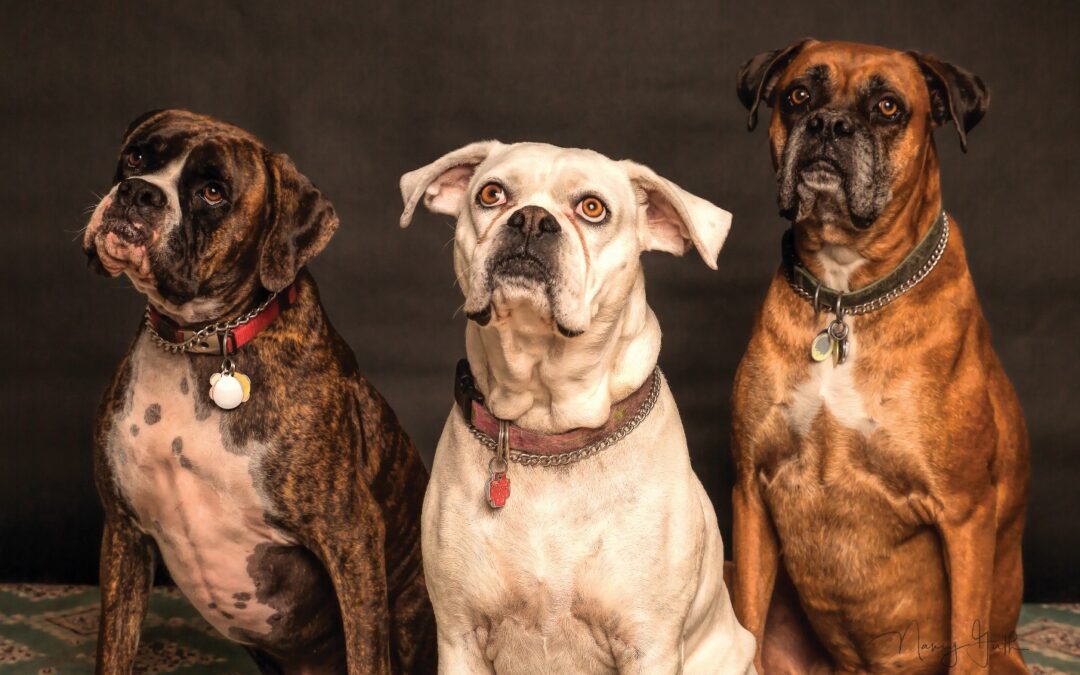
Anyone with a sibling is probably familiar with sibling rivalry. The jealousy, competition, and arguing drives parents everywhere up a wall on a daily basis. It’s a normal part of growing up, and deep down, we love our brothers and sisters—or we learn to eventually.
Every relationship issue usually comes down to a breakdown of communication. It isn’t so different for dogs. If you have a pair of fur babies who are constantly at each other’s throats, our trainers can help everyone live happily together. We’ll help you retake charge of your home, clearly communicate your expectations, and get your pups’ behavior up to snuff.
A common mistake that dog owners make is treating dogs exactly like children and expecting similar behavior. For example, it’s natural to want to make things fair between your dogs. If one dog seems like they always get the toys and the other dog never does, you’ll want to take a toy away from the dominant dog and give it to the submissive.
However, as this article by VCA Hospitals points out, allowing one dog to back down is essential to the two getting along. You can help by teaching the less confrontational dog a retreat command, which will enable them to back down when they aren’t sure how.
At the same time, you must be able to rely on the more confident dog to obey your commands so that you can get them under control if you see the beginnings of a confrontation.
The Spruce Pets agrees that there will be a leader and a follower when it comes to pet siblings. We do count pets of other breeds as “siblings,” but it’s typically less of an issue because, as the article points out, cats and dogs won’t be fighting for the same resources.
Preventing or mitigating sibling aggression relies on recognizing the hierarchy:
First in the tier is you. While your two (or more) pups will need to work out their own hierarchy, there should never be a question about who is ultimately in charge. If you feel like you’ve lost that control, we’ll help you get it back.
Second in line is the leader of the pup pack. We can help you feel comfortable with letting them lead the other dog. Ironically, encouraging the “follower” dog to stand up for themselves or getting the dominant dog back down just creates unnecessary stress and—you guessed it—conflict.
Last is the submissive dog. Chances are, they are perfectly fine with their role. We have to remember that dogs thrive on structure. They don’t think about fairness in the same way we do; they just want to play, eat, sleep, and relax. If that requires letting another dog eat first or play with a toy first, they truly won’t mind.
The toughest question owners have to ask themselves when their dogs exhibit signs of sibling aggression is: Does it bother the dogs or bother me?
If your dogs are happy with the hierarchy, let them be happy. However, if your dogs have yet to establish a hierarchy, you’ve lost control over the situation, or they are constantly fighting with one another, it’s time to call in the professionals.
Second City Dog Training is here to help. If you’re in the Chicago area and need assistance with your pups’ sibling aggression, give us a call at 872.895.9220.